Every sales conversation contains valuable information.
A prospect reveals a hidden objection. A customer hints at expansion plans. A competitor gets mentioned for the first time. A buying signal appears that could completely change the direction of a deal.
The problem?
Most of those insights disappear as soon as the meeting ends.
For years, sales teams relied on call recordings and handwritten notes to capture customer conversations. But recordings are difficult to review at scale, and notes rarely tell the full story. As sales organizations grow, manually analyzing every conversation becomes impossible.
That's where Zoom conversational intelligence comes in.
Modern conversational intelligence platforms don't just record meetings, they analyze them. Using AI, they can identify buyer signals, surface coaching opportunities, flag deal risks, track competitor mentions, and automatically generate summaries that help teams act faster.
In this guide, we'll explore how Zoom conversational intelligence works, what features matter most, and the best platforms helping sales teams turn conversations into competitive advantage in 2026.
What Is Zoom Conversational Intelligence?
Zoom conversational intelligence is technology that uses artificial intelligence to analyze sales calls, customer meetings, and business conversations conducted through Zoom.
Instead of simply recording what was said, conversational intelligence software helps teams understand why it matters.
It captures conversations, converts them into searchable transcripts, and then analyzes those interactions for patterns, risks, opportunities, and coaching insights that would be difficult to identify manually.
For revenue teams, that means turning everyday conversations into actionable business intelligence.
How Does Zoom Conversational Intelligence Work?
Most Zoom conversational intelligence platforms follow a similar process:
- Record the conversation
- Generate a transcript
- Analyze the discussion using AI
- Surface insights and recommended actions
During that process, the software can identify:
- Buyer signals
- Objections and concerns
- Competitor mentions
- Pricing discussions
- Customer sentiment
- Next steps and action items
- Deal risk indicators
Instead of managers reviewing dozens of recordings manually, AI highlights the moments that matter most.
How Is Conversational Intelligence Different From Call Recording?
This distinction is important.
Call recording captures the conversation.
Transcription converts the conversation into text.
Conversational intelligence analyzes the conversation and extracts meaning from it.
For example, a recording might tell you a prospect discussed budget concerns.
A conversational intelligence platform can automatically identify that concern, flag it as a potential deal risk, notify managers, and surface similar patterns across other opportunities.
That's the difference between storing information and generating insight.
How Zoom Conversations Become Revenue Intelligence
Every customer conversation contains clues about whether a deal is moving forward, stalling, or at risk.
The challenge isn't collecting those conversations, it's extracting the insights hidden inside them. That's why modern Zoom conversational intelligence platforms focus on much more than recording meetings.
Here's how the process typically evolves.
Stage 1: Record the Conversation
Everything starts with capturing the meeting.
Historically, sales teams recorded calls primarily for reference purposes. If a rep needed to revisit a discussion or verify what was said, they could replay the recording.
Useful? Absolutely.
Scalable? Not really.
Few managers have time to review hundreds of calls every month.
Stage 2: Transcribe What Was Said
The next step is transcription.
AI converts spoken conversations into searchable text, making it easier to find key moments without listening to an entire recording.
Teams can quickly search for:
- Competitor mentions
- Pricing discussions
- Customer objections
- Product questions
- Next-step commitments
This transforms conversations from static recordings into usable data.
Stage 3: Analyze Patterns and Signals
This is where conversational intelligence begins to create real business value.
Instead of simply documenting conversations, AI starts identifying trends and signals across meetings.
For example, a Zoom conversational intelligence platform can detect:
- Common objections
- Buyer intent signals
- Sentiment changes
- Talk-to-listen ratios
- Competitor mentions
- Repeated deal risks
Managers no longer need to search for insights manually. The platform surfaces them automatically.
Stage 4: Turn Insights Into Action
The most advanced platforms don't stop at analysis.
They help teams act on what they've learned.
Insights can trigger:
- CRM updates
- Follow-up tasks
- Coaching recommendations
- Pipeline alerts
- Deal risk notifications
- Forecast adjustments
At this stage, conversations become operational data that influences how teams sell, coach, and forecast.
Leading Zoom Conversational Intelligence Platforms
Once you understand how conversational intelligence works, the next step is choosing a platform that fits your sales process, coaching strategy, and CRM environment.
While every solution analyzes conversations differently, most fall into one of three categories: conversation intelligence, revenue intelligence, or meeting intelligence platforms.
1. Cirrus Insight
Best for teams that want to turn Zoom conversations into action.
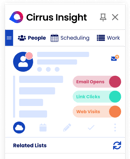
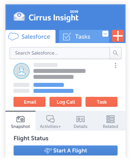
Cirrus Insight combines Zoom meeting intelligence, AI-generated summaries, buyer signals, action-item extraction, and Salesforce automation in a single platform. Rather than simply analyzing conversations, it helps teams turn meeting insights into CRM activity, follow-up workflows, and pipeline execution.
And the best thing? You pay only for the features you use.
2. Zoom Revenue Accelerator
Best for organizations looking for a native Zoom conversational intelligence platform.
Zoom Revenue Accelerator analyzes calls, identifies trends, and provides coaching insights directly within the Zoom ecosystem.
3. Gong
One of the most established conversational intelligence platforms on the market. Gong specializes in conversation analysis, deal risk detection, coaching, and revenue insights for enterprise sales teams.
4. Chorus (ZoomInfo)
Chorus combines conversation intelligence with coaching and performance analytics, helping managers identify trends and improve rep effectiveness.
5. Avoma
Avoma blends AI meeting summaries, conversation intelligence, and coaching insights into a platform designed for sales and customer-facing teams.
6. Clari Copilot
Built for organizations focused on forecasting accuracy, Clari Copilot connects conversation data directly to pipeline health and revenue predictions.
7. Salesloft Conversations
A strong option for sales engagement teams that want conversation intelligence embedded into their broader outreach workflows.
8. Outreach Kaia
Outreach Kaia focuses on real-time coaching, helping reps navigate conversations while meetings are happening rather than after they end.
Quick Comparison
|
Platform
|
Primary focus
|
Ideal for
|
Intelligence type
|
|
Cirrus Insight
|
Execution & CRM automation
|
Salesforce revenue teams
|
Meeting intelligence
|
|
Zoom Revenue Accelerator
|
Native Zoom analysis
|
Zoom-first organizations
|
Conversational intelligence
|
|
Gong
|
Deal insights & coaching
|
Enterprise sales teams
|
Revenue intelligence
|
|
Chorus
|
Coaching & performance
|
Sales managers
|
Conversational intelligence
|
|
Avoma
|
Meeting analytics
|
Sales & customer success
|
Meeting intelligence
|
|
Clari Copilot
|
Forecasting
|
Revenue operations
|
Revenue intelligence
|
|
Salesloft Conversations
|
Engagement workflows
|
Outbound teams
|
Conversational intelligence
|
|
Outreach Kaia
|
Real-time guidance
|
SDRs & AEs
|
Coaching intelligence
|
What Makes a Great Zoom Conversational Intelligence Platform?
Not all conversational intelligence platforms deliver the same value. Some focus on recording and transcription, while others help revenue teams uncover insights, improve coaching, and drive better outcomes across the pipeline.
Here are the capabilities that separate a good platform from a great one.
Can It Automatically Capture Every Conversation?
The quality of your insights depends on the quality of your data.
A strong Zoom conversational intelligence platform should automatically record, transcribe, and organize meetings without requiring reps to remember extra steps. Consistent capture ensures managers and revenue leaders have a complete view of customer interactions—not just a sample.
Does It Identify Coaching Opportunities?
Reviewing calls manually doesn't scale.
The best platforms automatically surface coaching moments by highlighting talk-to-listen ratios, objection handling, discovery questions, and other conversation patterns. This helps managers spend less time searching for teachable moments and more time coaching effectively.
Can It Detect Deal Risk Early?
One of the biggest advantages of conversational intelligence is the ability to identify problems before they appear in CRM reports.
Look for platforms that can detect:
- Customer hesitation
- Budget concerns
- Competitor mentions
- Lack of next steps
- Reduced engagement
The earlier teams spot risk, the easier it is to address.
Does It Sync Insights Into Your CRM?
Conversation data becomes significantly more valuable when it's connected to the rest of your revenue process.
CRM integration helps teams:
- Maintain accurate records
- Improve forecasting
- Reduce manual updates
- Keep customer history centralized
Without CRM connectivity, valuable insights often remain trapped inside meeting recordings.
Why Revenue Teams Use Cirrus Insight for Zoom Conversational Intelligence
Conversation intelligence is powerful, but insights alone don't drive revenue.
Many platforms can tell you what happened during a Zoom meeting. They can identify objections, highlight coaching opportunities, and summarize customer conversations. The challenge is making sure those insights actually influence what happens next.
That's where Cirrus Insight takes a different approach.
By combining Conversational Insights, AI-powered meeting summaries, buyer signal tracking, action-item extraction, and Salesforce automation, Cirrus helps revenue teams move from analysis to execution. Instead of leaving valuable insights trapped in recordings or dashboards, conversations become CRM activity, follow-up actions, and part of the broader sales workflow.
Instead of building complex backend flows alone, Cirrus strengthens the execution layer:
- Automatic email & meeting sync keeps Salesforce 100% up to date
- AI-powered meeting summaries generate action items instantly
- Conversational Insights surface deal signals inside your pipeline
- Buyer engagement tracking highlights momentum shifts
- Smart Scheduler accelerates deal progression
- Sales cadences ensure structured follow-up
- Live coaching nudges guide reps during active deals
Zoom Conversational Intelligence: FAQs
What is Zoom conversational intelligence?
Zoom conversational intelligence is technology that uses AI to analyze conversations from Zoom meetings and calls. It goes beyond recording and transcription by identifying buyer signals, objections, coaching opportunities, action items, and deal risks that help teams make better decisions.
Does Zoom have a conversational intelligence platform?
Yes. Zoom offers Zoom Revenue Accelerator, a conversational intelligence platform that records meetings, generates transcripts, analyzes conversations, and provides coaching insights for sales teams.
What is the best Zoom conversational intelligence software?
The best Zoom conversational intelligence software depends on your goals. Zoom Revenue Accelerator provides native Zoom functionality, Gong and Chorus focus on enterprise conversation intelligence, while Cirrus Insight combines meeting intelligence with Salesforce automation, buyer signals, and follow-up workflows.
How does Zoom conversational intelligence improve sales performance?
Zoom conversational intelligence helps sales teams identify winning behaviors, uncover common objections, improve coaching, and detect deal risks earlier. By analyzing customer conversations at scale, teams can make more informed decisions and improve overall sales execution.
What is the difference between call recording and conversational intelligence?
Call recording simply captures and stores conversations. Conversational intelligence analyzes those conversations using AI to identify patterns, insights, risks, action items, and coaching opportunities. It transforms conversations from passive records into actionable business intelligence.
Can Zoom conversational intelligence integrate with Salesforce?
Yes. Many Zoom conversational intelligence platforms integrate with Salesforce to automatically sync meeting activity, conversation insights, notes, and action items. This helps improve CRM accuracy while reducing manual data entry.


.png?width=18&height=18&name=Vector%20(5).png)