AI meeting notes have improved significantly in the last years.
Not a long time ago, most teams were simply looking for a way to record meetings and avoid frantically taking notes during every call.
Today, expectations are much higher. Teams want automatic summaries, action-item tracking, CRM integrations, coaching insights, and even AI-powered recommendations that help move work forward after the meeting ends.
That's why tools like tl;dv have become so popular.
The good news is that there are plenty of excellent alternatives available.
Whether you're looking for a more powerful AI note taker, stronger CRM connectivity, advanced meeting intelligence, or a platform that helps turn conversations into action, there's likely a solution that fits your needs better.
In this guide, we'll compare the best tl;dv alternatives in 2026, highlight where each platform excels, and help you find the right tool for your team.
Why Teams Look for tl;dv Alternatives
tl;dv is a solid choice for recording meetings and generating AI notes, especially for teams that want a simple way to capture conversations.
But as businesses grow, meeting notes often become just one piece of a much larger workflow.
Some teams need deeper CRM integrations. Others want coaching insights, revenue intelligence, automated follow-ups, or better visibility into what happens after a meeting ends. For sales and customer-facing teams, simply documenting conversations isn't always enough, they need tools that help turn those conversations into action.
That's why many organizations start exploring tl;dv alternatives that offer more advanced AI capabilities, stronger integrations, or workflows tailored to their specific needs.
10 Best tl;dv Alternatives in 2026
If you're exploring alternatives to tl;dv, you'll quickly discover that not all AI meeting tools are built for the same purpose. Some focus primarily on transcription, others on collaboration, and a growing number are designed to help teams turn conversations into meaningful business outcomes.
Here's how the leading tl;dv alternatives compare.
1. Cirrus Insight
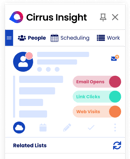
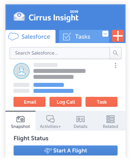
If your goal is simply generating meeting notes, there are plenty of tools that can do that. But if you want meeting conversation intelligence before, during and after the meeting to automatically drive CRM updates, follow-up actions, and sales workflows, Cirrus Insight takes a different approach.
Rather than functioning as just another AI note taker, Cirrus Insight combines meeting intelligence with execution. Meeting insights don't simply sit inside transcripts, they become actionable information that helps sales teams move deals forward.
Best for: Revenue teams and Salesforce users
Core strength: Meeting intelligence + execution layer
Integrations: Salesforce, Outlook, Gmail, calendars, meeting platforms
AI capabilities:
- Pre-meeting research
- AI meeting summaries
- Live coaching
- Conversational Insights
- Buyer signal detection
- Action-item extraction
- Meeting intelligence
- Sales execution workflows
Pricing: Flexible pricing; you only pay for the features you actually want
Pros:
- Deep Salesforce integration
- Automatically turns meeting insights into CRM activity
- Strong buyer signal visibility
- Reduces manual follow-up work
Limitations:
- Best suited for Salesforce-centric organizations
- More focused on revenue workflows than general meeting collaboration
2. Otter.ai
Otter.ai has become one of the most recognizable names in AI transcription. It's particularly popular among professionals who want highly accurate meeting transcripts and searchable conversation history.
Best for: Individuals and teams prioritizing transcription
Core strength: Real-time transcription
Integrations: Zoom, Google Meet, Microsoft Teams
AI capabilities: Live transcription, AI summaries, keyword search, speaker identification
Pricing: Free plan available; paid plans start around $16.99/user/month
Pros: Easy to use, highly searchable transcripts, strong mobile experience
Limitations: Limited CRM and sales workflow functionality
3. Fireflies.ai
Fireflies.ai sits somewhere between a note-taking platform and a meeting automation solution. It captures conversations automatically while providing collaboration features that make it easy to share and review discussions across teams.
Best for: Teams that want automated meeting documentation
Core strength: Meeting automation and collaboration
Integrations: Salesforce, HubSpot, Slack, Zoom, Google Meet, Teams
AI capabilities:
- AI-generated summaries
- Action-item tracking
- Topic detection
- Conversation search
Pricing: Free plan available; paid plans start around $18/user/month
Pros: Broad integrations, easy setup, strong collaboration features
Limitations: Less focused on revenue intelligence and sales execution
4. Fathom
Fathom has gained a loyal following by offering a generous free plan and a user experience that requires very little setup. Many users start with Fathom simply because it removes the friction from meeting note-taking.
Best for: Teams seeking a free AI note taker
Core strength: Automatic meeting summaries
Integrations: Zoom, Google Meet, Microsoft Teams, CRM platforms
AI capabilities: Summaries, highlights, action items, meeting clips
Pricing: Free plan available; premium plans available for teams
Pros:
- Excellent free offering
- Quick setup
- Easy meeting sharing
Limitations:
- Limited advanced analytics
- Fewer sales-specific insights than specialized platforms
5. Avoma
For teams that want more than transcripts, Avoma offers a blend of meeting intelligence, coaching, and conversation analysis. It's especially popular among sales organizations looking to improve team performance.
Best for: Sales and customer success teams
Core strength: Coaching and meeting intelligence
Integrations: Salesforce, HubSpot, Zoom, Teams, Google Meet
AI capabilities:
- Conversation analysis
- AI summaries
- Coaching insights
- Action-item tracking
Pricing: Typically starts around $19–$39/user/month depending on features
Pros: Strong coaching workflows and meeting intelligence
Limitations: Advanced functionality requires higher-tier plans
6. Fellow
Fellow takes a slightly different approach by focusing heavily on collaborative meeting management. Instead of simply documenting conversations, it helps teams prepare for, run, and follow up on meetings more effectively.
Best for: Collaborative teams and managers
Core strength: Meeting management
Integrations: Slack, Salesforce, Zoom, Google Workspace, Microsoft 365
AI capabilities: Notes, summaries, action items, meeting agendas
Pricing: Free plan available; paid plans start around $7/user/month
Pros: Excellent meeting organization and collaboration features
Limitations: Less focused on sales intelligence and revenue workflows
7. Read AI
Read AI is known for helping teams understand meeting effectiveness, participation levels, and engagement trends. It goes beyond note-taking by providing analytics about how meetings are conducted.
Best for: Teams interested in meeting analytics
Core strength: Engagement and participation insights
Integrations: Zoom, Google Meet, Microsoft Teams
AI capabilities:
- Meeting summaries
- Engagement scoring
- Participation analysis
- Action-item detection
Pricing: Free plan available; paid plans available for advanced analytics
Pros: Unique meeting quality insights and analytics
Limitations: Less CRM-focused than some alternatives
8. Sembly AI
Sembly AI is designed to help organizations capture, organize, and act on information from meetings at scale. Its focus on action items and enterprise workflows makes it appealing to larger teams.
Best for: Enterprise organizations
Core strength: Action-item management
Integrations: Salesforce, HubSpot, Zoom, Teams, project management platforms
AI capabilities: Summaries, tasks, decisions, meeting insights
Pricing: Free plan available; paid plans start around $10–$20/user/month
Pros: Strong action-item tracking and enterprise workflows
Limitations: Interface can feel more complex for smaller teams
9. Gong
Gong isn't primarily a note-taking tool and that's exactly why many sales organizations choose it.
Instead of focusing on meeting documentation, Gong specializes in conversation intelligence, deal analysis, coaching, and revenue insights.
Best for: Enterprise sales teams
Core strength: Revenue intelligence
Integrations: Salesforce, HubSpot, major sales platforms
AI capabilities:
- Conversation intelligence
- Deal risk detection
- Coaching recommendations
- Revenue analytics
Pricing: Custom enterprise pricing
Pros: Industry-leading revenue intelligence and coaching capabilities
Limitations: Higher cost and complexity than traditional AI note takers
10. Zoom AI Companion
For teams already invested in Zoom, Zoom AI Companion provides a convenient way to access AI-generated meeting summaries without introducing another standalone platform.
Best for: Existing Zoom customers
Core strength: Native Zoom experience
Integrations: Zoom ecosystem and supported business tools
AI capabilities: Meeting summaries, action items, meeting recaps
Pricing: Included with many eligible Zoom plans
Pros: Built directly into Zoom and easy to adopt
Limitations: More limited functionality than dedicated meeting intelligence platforms
tl;dv Alternatives Comparison
|
Tool
|
Biggest advantage
|
Ideal team size
|
Learning curve
|
|
Cirrus Insight
|
Turns meeting insights into CRM actions and follow-up workflows
|
SMB to Enterprise
|
Low
|
|
Otter.ai
|
Fast, accurate transcription with minimal setup
|
Individual to Mid-Market
|
Very Low
|
|
Fireflies.ai
|
Strong balance of automation and collaboration
|
SMB to Mid-Market
|
Low
|
|
Fathom
|
Exceptional value with a generous free plan
|
Individual to SMB
|
Very Low
|
|
Avoma
|
Combines meeting intelligence with coaching workflows
|
SMB to Enterprise
|
Moderate
|
|
Fellow
|
Helps teams improve meeting preparation and accountability
|
SMB to Mid-Market
|
Low
|
|
Read AI
|
Unique engagement and participation analytics
|
SMB to Enterprise
|
Low
|
|
Sembly AI
|
Structured action-item and decision tracking
|
Mid-Market to Enterprise
|
Moderate
|
|
Gong
|
Deep revenue intelligence and deal visibility
|
Mid-Market to Enterprise
|
Moderate
|
|
Zoom AI Companion
|
Native experience for existing Zoom customers
|
SMB to Enterprise
|
Very Low
|
What to Look for in a tl;dv Alternative
At first glance, most AI meeting tools seem very similar. They record meetings, generate transcripts, and create summaries.
But once you start using them every day, the differences become much more noticeable.
The right platform depends on how your team works, what systems you use, and what you expect to happen after a meeting ends.
Do You Need More Than AI Meeting Notes?
For some teams, a meeting summary is enough. They simply want a record of what was discussed and a way to revisit key moments later.
But many organizations need more than documentation. They need tools that can identify important decisions, surface next steps, track commitments, and help ensure nothing falls through the cracks.
If your meetings regularly lead to customer follow-ups, projects, or sales activities, consider whether basic note-taking is enough for your needs.
Does It Sync With Your CRM?
Meeting insights become much more valuable when they're connected to customer records.
A strong CRM integration can help your team:
- Automatically log meeting activity
- Keep customer records up to date
- Reduce manual data entry
- Improve visibility across the sales process
For revenue teams, this is often one of the most important factors when evaluating a tl;dv alternative.
Can It Capture Action Items Automatically?
One of the biggest benefits of AI meeting software is reducing administrative work.
Instead of manually reviewing notes and creating tasks, modern platforms can automatically identify action items, next steps, and follow-up responsibilities directly from conversations.
This helps teams spend less time organizing information and more time acting on it.
Does It Provide Coaching or Revenue Insights?
Some AI meeting tools stop at summaries. Others help teams understand what those conversations mean.
If you're part of a sales organization, features such as coaching recommendations, buyer signal detection, deal risk identification, and conversation analysis can provide significantly more value than transcripts alone.
These insights can help managers coach more effectively and give revenue teams greater visibility into customer interactions.
Is It Built for Sales Teams or General Meetings?
This is a question many buyers overlook.
Some platforms are designed primarily for productivity and collaboration. Others are built specifically for sales, customer success, and revenue teams.
A general meeting tool may be perfect for internal collaboration, while a sales-focused platform can provide CRM integrations, buyer insights, forecasting support, and workflow automation.
Understanding which category you fall into can make the decision much easier.
Which tl;dv Alternative Is Right for You?
The best tl;dv alternative ultimately depends on what you're trying to improve.
Some teams simply need better meeting notes. Others are looking for coaching insights, CRM connectivity, or a way to turn meeting conversations into measurable business outcomes.
Here's a quick way to narrow down your options.
Need Meeting Intelligence + CRM Automation?
If your goal is turning meeting conversations into CRM updates, follow-up actions, and sales workflows, Cirrus Insight is a strong choice.
It combines AI meeting summaries, Conversational Insights, buyer signals, action-item extraction, and Salesforce automation to help revenue teams move from insight to execution.
Need Affordable AI Meeting Notes?
For teams primarily focused on meeting summaries and transcription, Fathom and Fireflies.ai offer accessible and budget-friendly options with strong core note-taking capabilities.
Need Better Transcription?
If accurate transcripts are your top priority, Otter.ai remains one of the most popular transcription-focused platforms on the market.
Need Coaching and Meeting Insights?
Teams looking to improve performance through conversation analysis and coaching may prefer Avoma, which combines meeting intelligence with coaching workflows and collaboration tools.
Need Enterprise Revenue Intelligence?
For larger sales organizations focused on forecasting, deal visibility, and coaching at scale, Gong offers some of the most advanced revenue intelligence capabilities available.
Why Revenue Teams Choose Cirrus Insight
AI meeting notes are incredibly useful. They save time, improve documentation, and help teams remember what happened during important conversations.
But for many revenue teams, the real challenge isn't capturing information, it's making sure something happens with it.
That's where Cirrus Insight takes a different approach.
Instead of building complex backend flows alone, Cirrus strengthens the execution layer:
- Automatic email & meeting sync keeps Salesforce 100% up to date
- AI-powered meeting summaries generate action items instantly
- Conversational Insights surface deal signals inside your pipeline
- Buyer engagement tracking highlights momentum shifts
- Smart Scheduler accelerates deal progression
- Sales cadences ensure structured follow-up
- Live coaching nudges guide reps during active deals
This means less time manually updating Salesforce, fewer missed follow-ups, and greater visibility into what customers are actually saying throughout the sales cycle.
As AI meeting tools continue to evolve, the biggest opportunity isn't simply documenting conversations. It's connecting those conversations to the workflows, systems, and actions that drive results.
Whether you're looking to improve CRM adoption, automate follow-up work, or give your team better visibility into customer interactions, Cirrus Insight helps transform meetings from isolated events into meaningful business outcomes.
Because the most valuable meeting note isn't the one that's recorded, it's the one that leads to action.
tl;dv Alternatives FAQs
What is the best tl;dv alternative?
The best tl;dv alternative depends on your goals. If you need AI meeting notes and transcription, tools like Otter.ai and Fathom are popular choices. For teams looking for meeting intelligence, CRM integration, and workflow automation, platforms like Cirrus Insight, Avoma, and Gong offer more advanced capabilities.
Why do teams switch from tl;dv?
Many teams start looking for tl;dv alternatives when they need deeper CRM integrations, more advanced AI insights, sales coaching features, revenue intelligence, or workflow automation that extends beyond meeting summaries and recordings.
Is Otter.ai better than tl;dv?
Otter.ai is often preferred by users who prioritize transcription accuracy and searchable meeting records. tl;dv, however, offers strong meeting recording and sharing capabilities. The better option depends on whether your focus is transcription, collaboration, or broader meeting intelligence.
Which tl;dv alternative is best for sales teams?
Sales teams often benefit from platforms that go beyond meeting notes. Solutions like Cirrus Insight, Gong, and Avoma provide conversation intelligence, buyer insights, CRM integration, and sales-focused workflows that help teams turn meeting conversations into revenue opportunities.
Are there free alternatives to tl;dv?
Yes. Several AI meeting note takers offer free plans, including Fathom, Otter.ai, Fireflies.ai, and Read AI. Free plans can be a great starting point, although advanced features are often reserved for paid subscriptions.
Does tl;dv integrate with Salesforce?
tl;dv offers CRM integrations, including Salesforce connectivity. However, organizations that rely heavily on Salesforce may also evaluate platforms designed specifically for CRM automation and sales execution workflows.
What is the difference between an AI note taker and meeting intelligence software?
An AI note taker focuses primarily on recording meetings, generating transcripts, and creating summaries. Meeting intelligence platforms go further by identifying action items, detecting buyer signals, analyzing conversations, providing coaching insights, and integrating with business systems like Salesforce.
Which tl;dv alternative offers the best CRM integration?
The answer depends on your CRM environment. For Salesforce users, platforms such as Cirrus Insight provide deep CRM connectivity, allowing teams to sync meeting activity, automate follow-ups, and maintain more accurate customer records.


.png?width=18&height=18&name=Vector%20(5).png)